
Compare Balcony Solar Batteries
20 Battery storage systems from established makers · Selection index 101.8 −0.6% 7 d · avg €806 · as of 18/10/2026
Price table · 20 Battery storage systems
 ANK·SOLIXAnker SOLIX Solarbank 3 E2700 Pro + Smart Plug Gen 2€899−10.0%
 ANK·SOLIXAnker SOLIX Solarbank 2 / Pro 3 E2700 / Pro 4 E5000€389±0.0%
 GRO·SPEICHER2kWh Speicher NOAH 2000 Growatt Batterie für€379±0.0%
 ZEN·AB2000XZendure AB2000X Solarstromspeicher, 1920Wh, LiFePo4€317±0.0%
 ANK·SOLIXAnker SOLIX 2 Plus Solarbank, Plug&Play Balkonkraftwerk€429±0.0%
 FOX·AVOCADOFoxEss Avocado 22 Pro Solarspeicher Speicher Balkonkraftwerk€560±0.0%
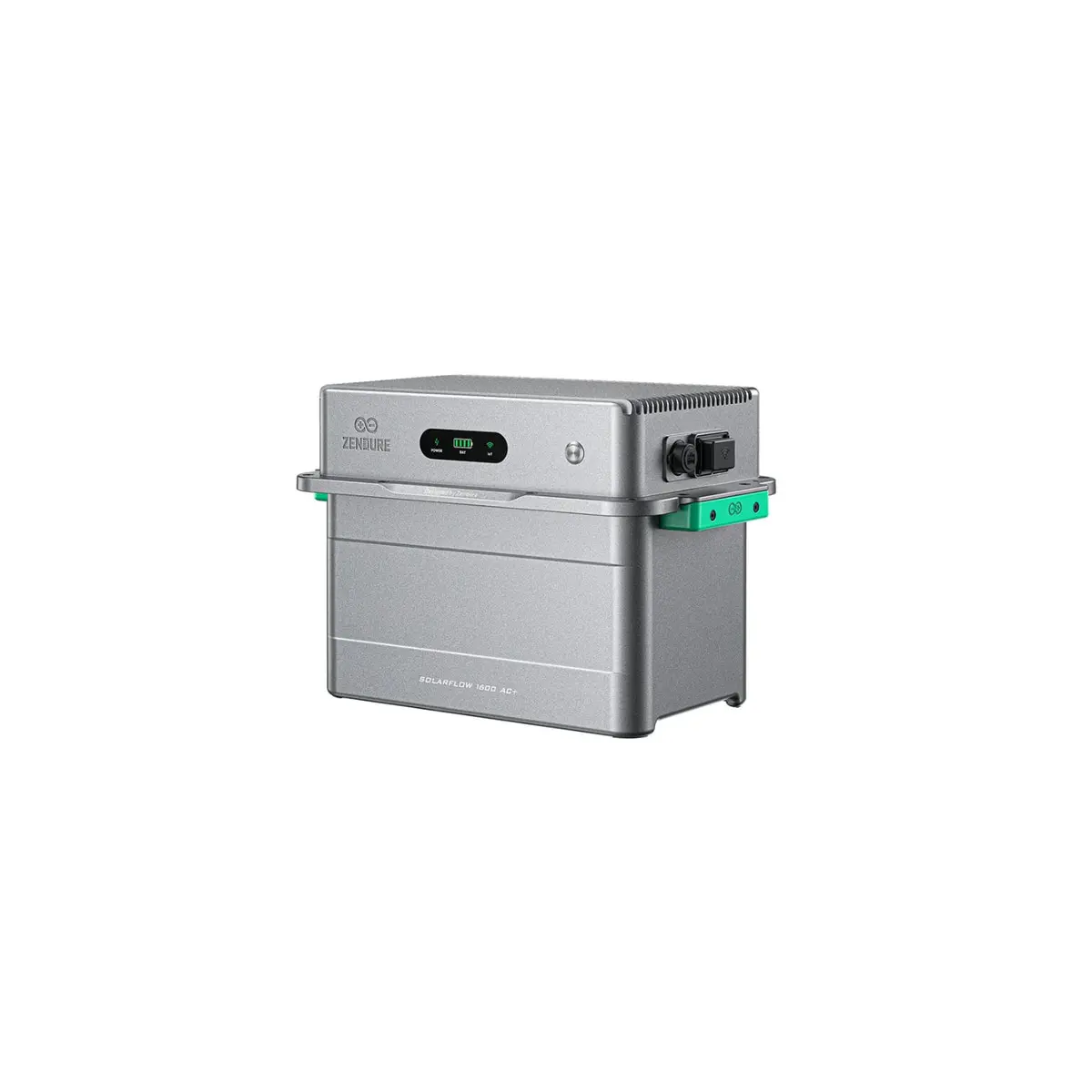 ZEN·SOLARFLOZendure SolarFlow 1600 AC+ Batteriespeicher€631±0.0%
 ANK·SOLIXAnker SOLIX Power Dock mit/ohne Solarbank Pro 4€859−14.0%
 GRO·KWH5 kWh Speicher Growatt Aura 5000 AC Batteriespeicher€939±0.0%
 HOY·HIBATTERHoymiles HiBattery 4020 X LiFePO4 Batterie Speicher 4 kWh€999±0.0%
 HOY·HIBATTERHoymiles HiBattery 4020 X 4 MPPT AIO Batterie Speicher 4 kWh€1,099±0.0%
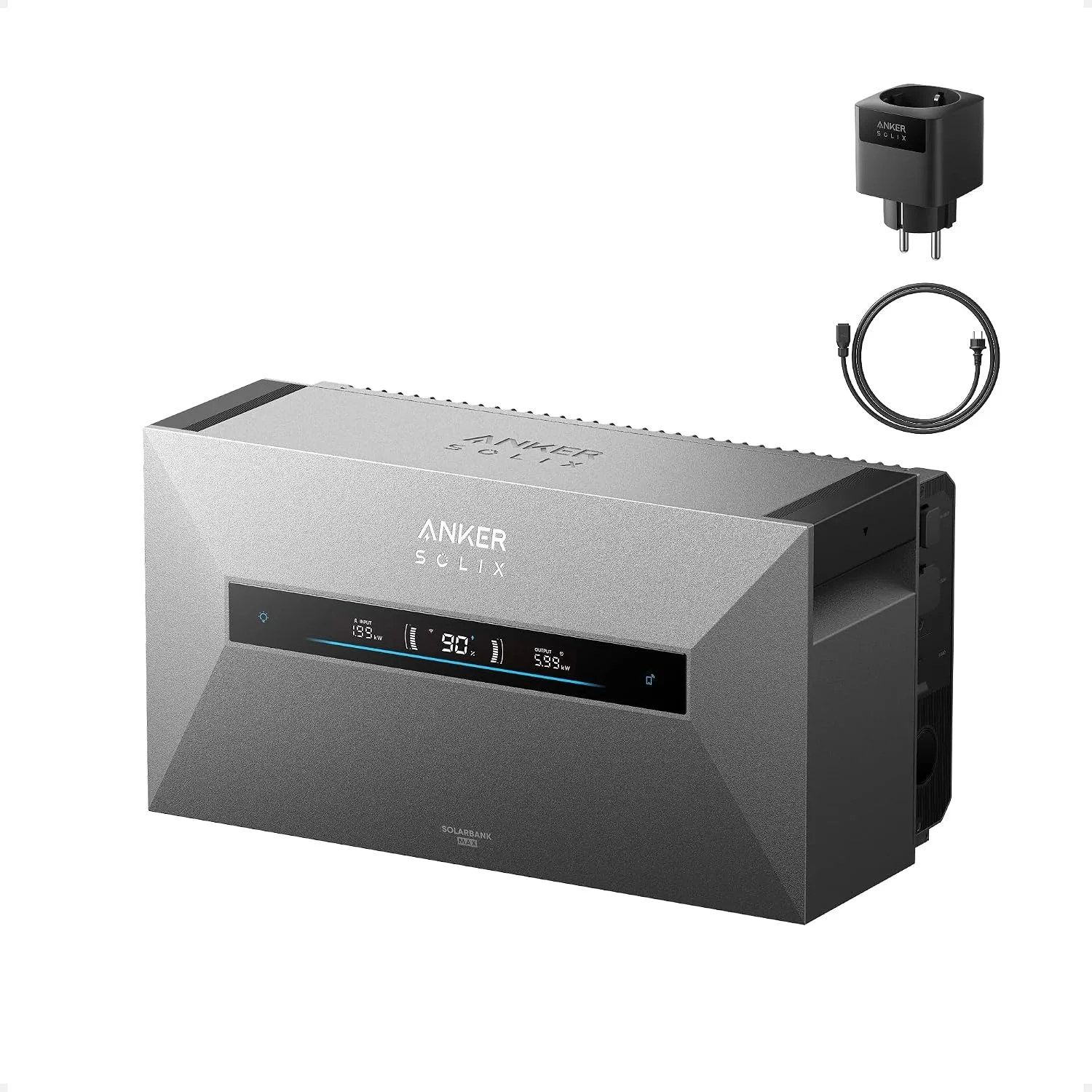 ANK·SOLIXAnker SOLIX Solarbank Max AC 7kWh Batteriespeicher 3500W AC€1,590±0.0%
 POW·BALKONKRPowerness® Balkonkraftwerk Speicher Growatt NOAH 2000€388±0.0%
 VAL·GROWATTGrowatt NOAH 2000 Batteriespeicher - 2,048 kWh€388±0.0%
 ANK·SOLIXAnker SOLIX 4 Pro Solarbank+Smart Meter Gen2€1,599±0.0%
 ECO·STREAMEcoFlow STREAM Ultra X 3,84kWh€1,099±0.0%
 HOY·HIBATTERHoymiles HiBattery AC 1,92 kWh Solarbatterie€549+1.3%
 ECO·STREAMEcoFlow STREAM Ultra Balkonkraftwerk mit Speicher 1,92kWh 0%€599±0.0%
 ECO·STREAMEcoFlow STREAM AC 5000 Balkonkraftwerk mit Speicher 5024 Wh€1,399±0.0%
 HOY·HIBATTERHoymiles HiBattery 4020 X Solar-Stromspeicher 4,02 kWh€999+1.1%
- ANK·SOLIXAnker SOLIX Solarbank 3 E2700 Pro + Smart Plug Gen 2Balcony solar storage€899−10.0%−10.0%±0.0%24 d
- ANK·SOLIXAnker SOLIX Solarbank 2 / Pro 3 E2700 / Pro 4 E50001600 Wh · 800 W€389±0.0%––
- GRO·SPEICHER2kWh Speicher NOAH 2000 Growatt Batterie für Balkonkraftwerke2000 Wh · Balcony solar storage€379±0.0%±0.0%±0.0%10 d
- ZEN·AB2000XZendure AB2000X Solarstromspeicher, 1920Wh, LiFePo4, 0% MwSt.1920 Wh€317±0.0%±0.0%±0.0%24 d
- ANK·SOLIXAnker SOLIX 2 Plus Solarbank, Plug&Play Balkonkraftwerk1600 Wh · 1200 W€429±0.0%±0.0%+7.5%
- FOX·AVOCADOFoxEss Avocado 22 Pro Solarspeicher Speicher Balkonkraftwerk NEUBalcony solar storage€560±0.0%±0.0%±0.0%8 d
- ZEN·SOLARFLOZendure SolarFlow 1600 AC+ BatteriespeicherBalcony solar storage€631−8.1%±0.0%±0.0%24 d
- ANK·SOLIXAnker SOLIX Power Dock mit/ohne Solarbank Pro 416128 Wh · 3600 W€859−14.0%––
- GRO·KWH5 kWh Speicher Growatt Aura 5000 AC Batteriespeicher Balkonkraftwerk5000 Wh · Balcony solar storage€939±0.0%±0.0%−1.1%
- HOY·HIBATTERHoymiles HiBattery 4020 X LiFePO4 Batterie Speicher 4 kWh4000 Wh · Balcony solar storage€999±0.0%±0.0%+5.3%
- HOY·HIBATTERHoymiles HiBattery 4020 X 4 MPPT AIO Batterie Speicher 4 kWh PV4000 Wh · Balcony solar storage€1,099±0.0%±0.0%±0.0%
- ANK·SOLIXAnker SOLIX Solarbank Max AC 7kWh Batteriespeicher 3500W AC7000 Wh · 3500 W€1,590±0.0%––
- POW·BALKONKRPowerness® Balkonkraftwerk Speicher Growatt NOAH 2000 Speicher 2048Wh2048 Wh · 1800 W€388±0.0%±0.0%±0.0%
- VAL·GROWATTGrowatt NOAH 2000 Batteriespeicher - 2,048 kWh - für Balkonkraftwerke2048 Wh · Balcony solar storage€388±0.0%±0.0%±0.0%24 d
- ANK·SOLIXAnker SOLIX 4 Pro Solarbank+Smart Meter Gen25000 Wh · 5000 W€1,599±0.0%±0.0%−5.9%
- ECO·STREAMEcoFlow STREAM Ultra X 3,84kWh, 0% VAT Balkonkraftwerk mit Speicher3840 Wh · 2000 W€1,099±0.0%––
- HOY·HIBATTERHoymiles HiBattery AC 1,92 kWh Solarbatterie1920 Wh · Balcony solar storage€549±0.0%+1.3%+0.7%
- ECO·STREAMEcoFlow STREAM Ultra Balkonkraftwerk mit Speicher 1,92kWh 0% VAT1920 Wh · 2800 W€599±0.0%±0.0%±0.0%8 d
- ECO·STREAMEcoFlow STREAM AC 5000 Balkonkraftwerk mit Speicher 5024 Wh 0% VAT90000 Wh · 3000 W€1,399±0.0%±0.0%+7.7%12 d
- HOY·HIBATTERHoymiles HiBattery 4020 X Solar-Stromspeicher 4,02 kWh4020 Wh · 4000 W€999±0.0%+1.1%+1.1%16 d
A battery saves midday solar power for the evening. Here you will find retrofit batteries and all-in-one systems for plug-in solar kits.
How a balcony solar battery works
A balcony solar kit (a small plug-in PV system, known in Germany as a “Balkonkraftwerk”) generates most of its power between late morning and mid-afternoon – exactly when many households use little electricity. Without a battery, the surplus flows into the grid without any payment. A battery absorbs this surplus and releases it later at a limited output, typically in the evening and at night for base load such as the fridge, router or devices on standby.
There are two designs. DC-coupled batteries sit between the solar panels and the inverter: the panels charge the battery directly, and the battery feeds power in via the existing or built-in micro-inverter. Examples include the Marstek B2500, Anker SOLIX Solarbank and Zendure SolarFlow. AC-coupled batteries, by contrast, plug into a socket and charge with alternating current – they work independently of the existing balcony solar kit and also suit installations you already have.
Key buying criteria
Capacity determines how much solar power you can shift. For a typical 800 W balcony solar kit, 1.5 to 2.5 kWh is usually enough; larger batteries rarely fill up in winter. Good control of the output power matters more than maximum capacity.
- Zero export / smart meter: with a meter reading head or smart meter adapter, the battery only releases as much power as your household needs at that moment.
- Cell chemistry: LiFePO4 (LFP) is considered thermally stable and long-lasting; manufacturers often quote several thousand cycles.
- MPPT inputs: two or four inputs allow more panels and different orientations.
- Expandability: many systems let you add extra battery modules later.
- Protection rating and temperature range: for outdoor use, at least IP65 makes sense; many batteries do not charge, or only charge slowly, in frost.
- An app, an emergency power socket and the warranty period complete the picture.
Legal basics: registration and limits
In Germany, plug-in solar kits are limited to 800 VA of inverter or feed-in power and up to 2,000 Wp of panel power. Registration only takes place in the Marktstammdatenregister (the Federal Network Agency’s official register of energy installations); the battery is entered there as a separate unit. Solar panels, inverters and batteries for systems of this size are generally subject to 0% VAT when bought by private individuals.
With complete systems, check that the feed-in power is limited to 800 W, even if the hybrid inverter could technically deliver more. Since October 2024, tenants in Germany have had a legal right to install a balcony solar kit as a privileged structural alteration – the landlord generally cannot refuse consent, but may have a say in how it is installed.
Avoiding common mistakes
The battery is often oversized: a 5 kWh system on an 800 Wp installation will rarely fill up, even in summer. Another common mistake is not measuring consumption – without a smart meter, the battery releases a fixed output and needlessly feeds power into the grid at night. Also check whether your inverter is compatible with the battery, and choose a location that protects the battery from direct sunlight and moisture.