
Power Stations for Backup Power and UPS
8 Battery storage systems from established makers · Selection index 100.9 +2.8% 7 d · avg €617 · as of 18/10/2026
Price table · 8 Battery storage systems
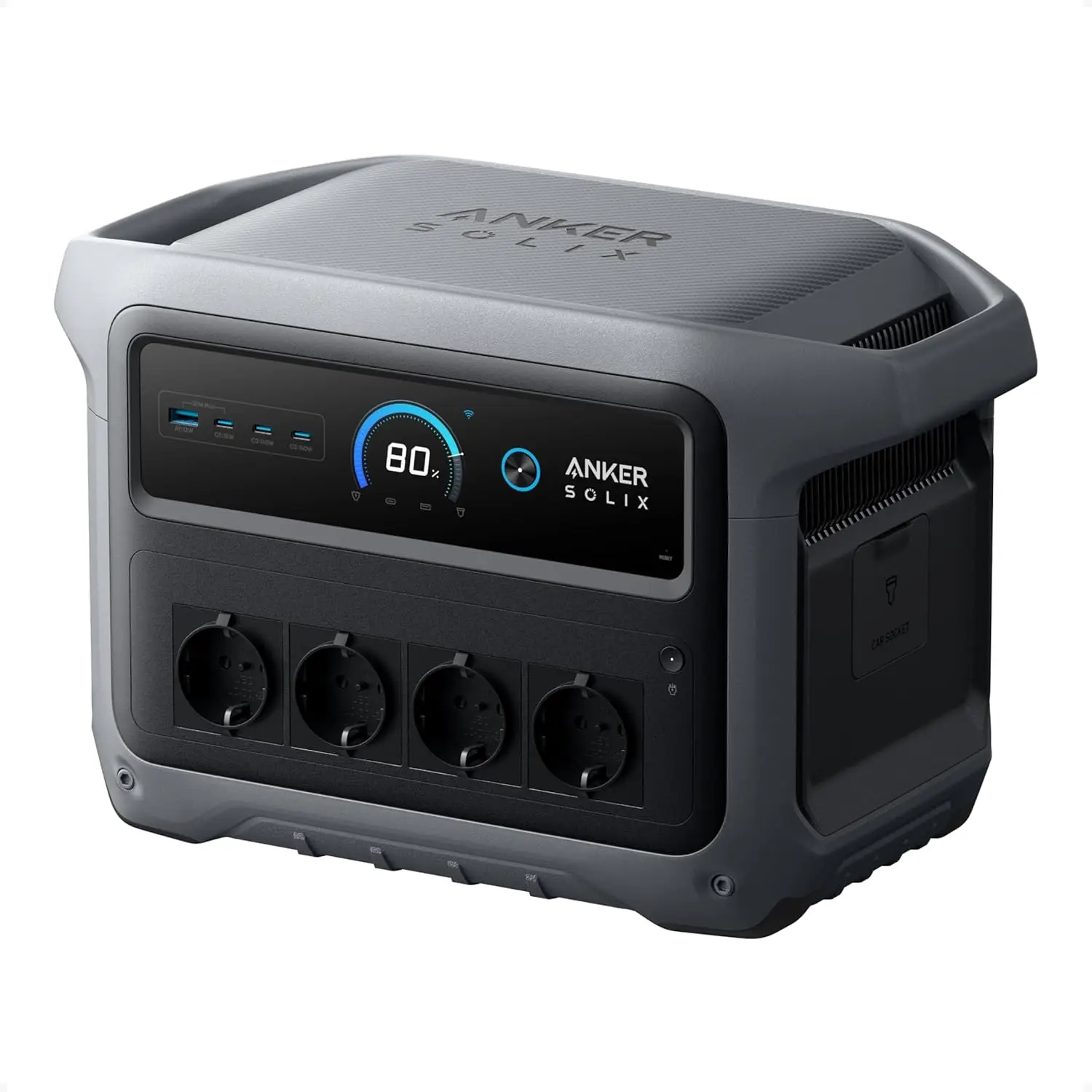 ANK·SOLIXAnker SOLIX C1000 Gen 2 Tragbare Powerstation€489+2.7%
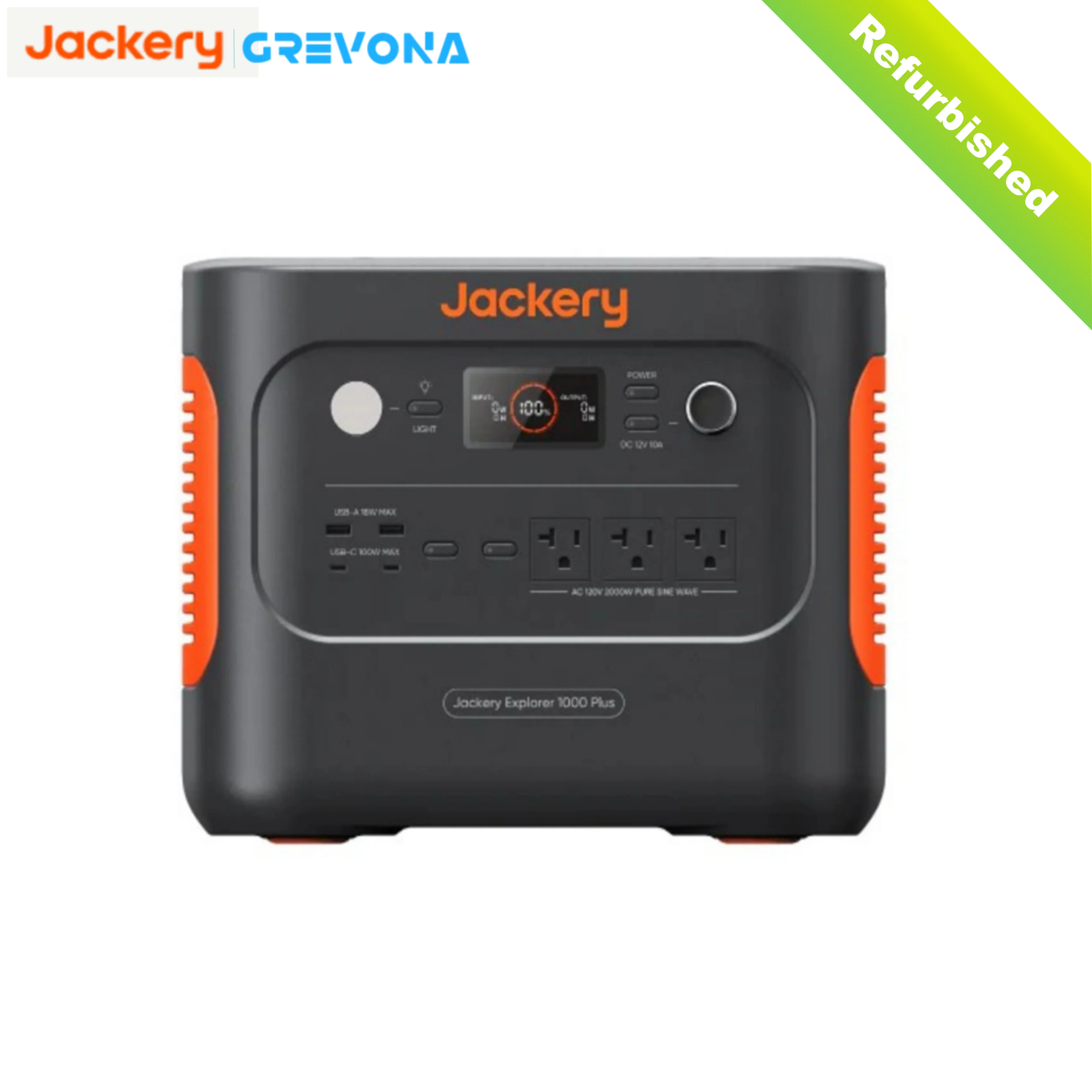 JAC·EXPLORERJackery Explorer 1000 Plus Tragbare Powerstation 1264Wh€526±0.0%
 ANK·SOLIXAnker SOLIX S2000 Powerstation USV 2000Wh LiFePO4€588±0.0%
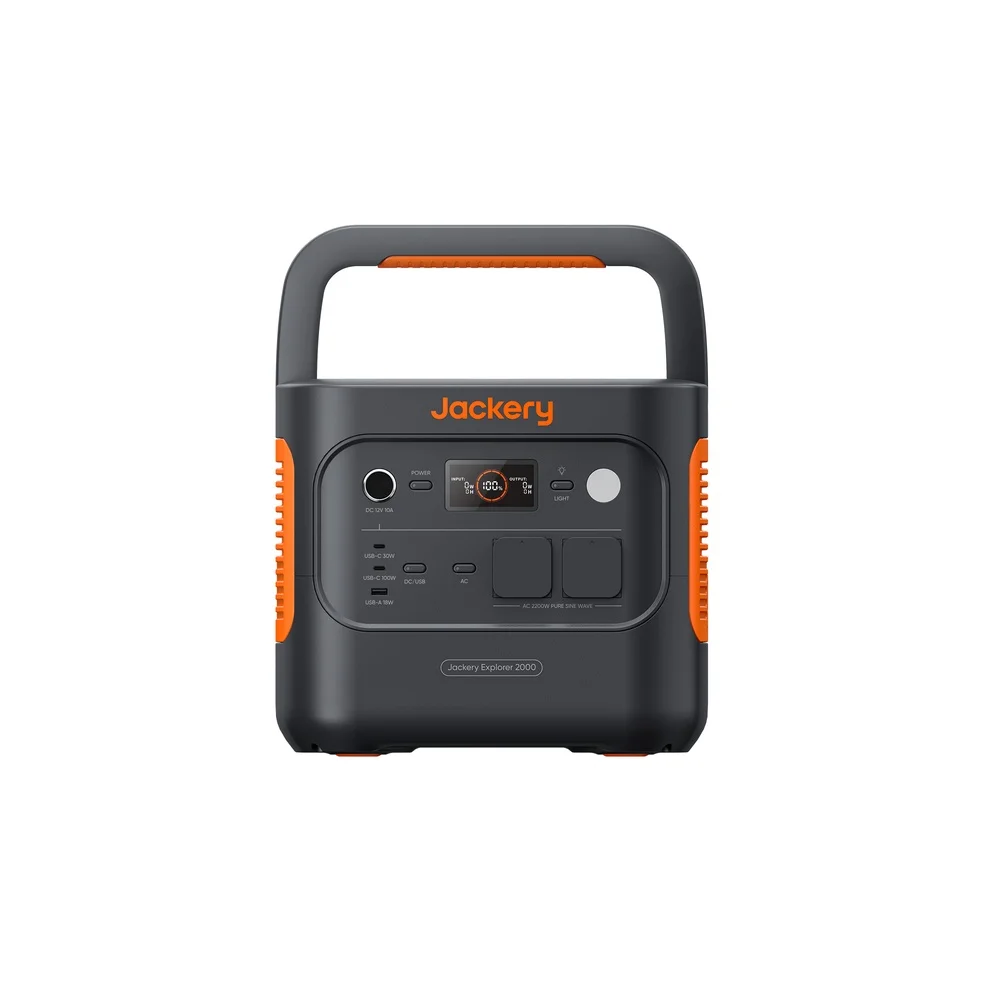 JAC·E2000Jackery E2000 v2 tragbare Powerstation, LiFePO4 Akku€716±0.0%
 JAC·EXPLORERJackery Explorer 240 v2 Tragbare Powerstation€179−5.3%
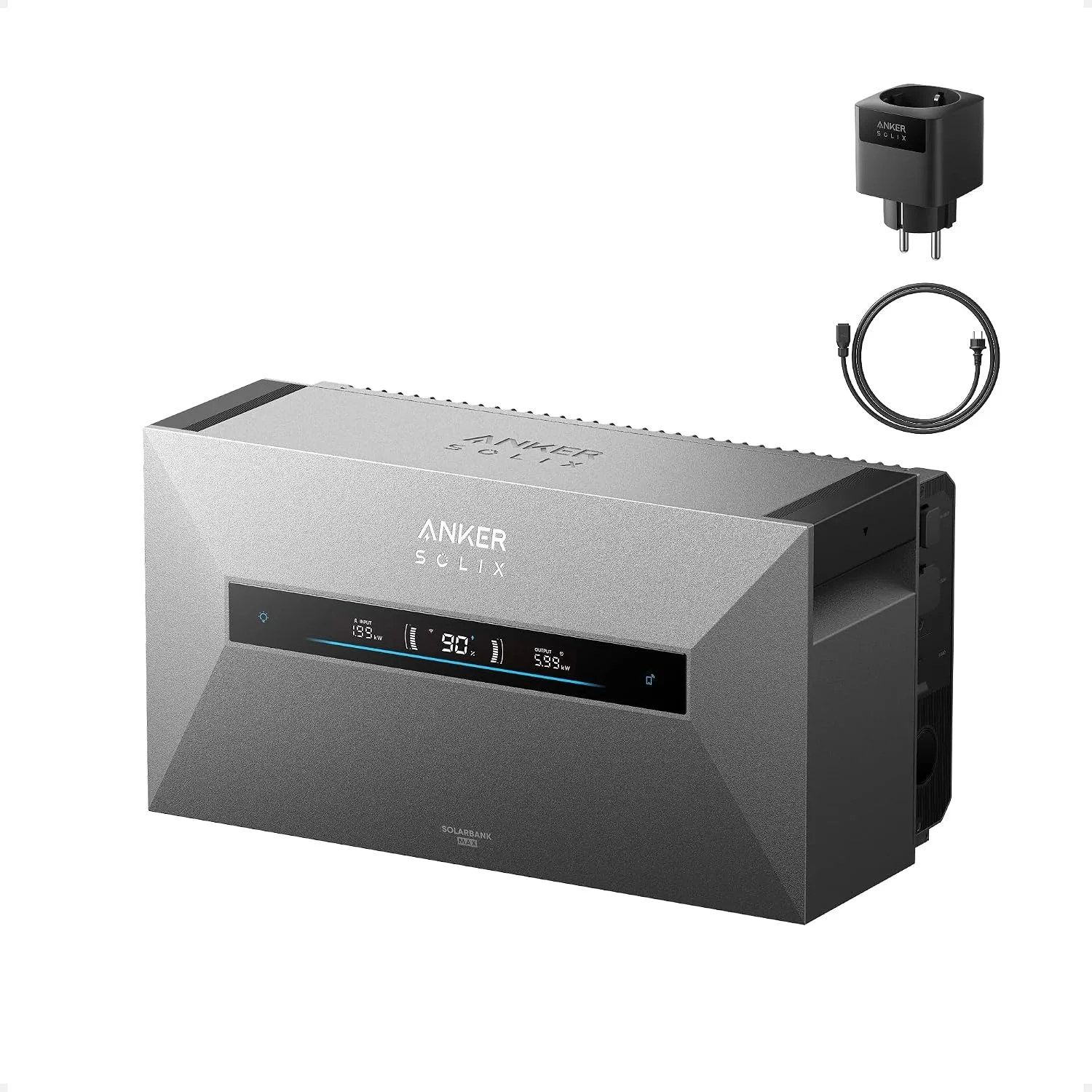 ANK·SOLIXAnker SOLIX Solarbank Max AC 7kWh Batteriespeicher 3500W AC€1,590±0.0%
 DYN·TRAGBAREDyness 2400W Tragbare Powerstation, 2048Wh LiFePO4€700±0.0%
 DYN·TRAGBAREDyness 300W Tragbares Powerstation€146+13.7%
- ANK·SOLIXAnker SOLIX C1000 Gen 2 Tragbare Powerstation, 2000W Solargenerator1024 Wh · 2000 W€489±0.0%+2.7%+0.8%
- JAC·EXPLORERJackery Explorer 1000 Plus Tragbare Powerstation 1264Wh 2000W LiFePO45000 Wh · 2000 W€526±0.0%––
- ANK·SOLIXAnker SOLIX S2000 Powerstation USV 2000Wh LiFePO42000 Wh · 500 W€588−16.0%±0.0%±0.0%11 d
- JAC·E2000Jackery E2000 v2 tragbare Powerstation, LiFePO4 Akku2042 Wh · 2200 W€716±0.0%±0.0%−9.4%28 d
- JAC·EXPLORERJackery Explorer 240 v2 Tragbare Powerstation256 Wh · 300 W€179±0.0%−5.3%−5.3%9 d
- ANK·SOLIXAnker SOLIX Solarbank Max AC 7kWh Batteriespeicher 3500W AC7000 Wh · 3500 W€1,590±0.0%––
- DYN·TRAGBAREDyness 2400W Tragbare Powerstation, 2048Wh LiFePO42048 Wh · 2400 W€700±0.0%±0.0%+1.4%
- DYN·TRAGBAREDyness 300W Tragbares Powerstation256 Wh · 300 W€146±0.0%+13.7%+9.9%
With a UPS function, the power station kicks in within milliseconds during a power cut – for a router, PC, fridge or aquarium.
UPS, EPS, backup power – what is behind it?
A classic UPS (uninterruptible power supply) keeps computers running without interruption during a power cut. Power stations with a UPS or EPS function work in a similar way: they stay connected to the mains, pass the power through and switch to the battery during an outage. Depending on the model, the switchover time is usually between about 10 and 30 milliseconds. That is enough for routers, fridges and most power supplies; very sensitive servers or measuring equipment need an online UPS with true zero transfer time.
The advantage over an office UPS: the capacity is many times greater. Instead of a few minutes to shut down, you gain hours. Make sure the manufacturer explicitly supports continuous operation on the mains – not every model is designed for permanent pass-through.
What to consider with a backup power station
For emergency preparedness, what counts most is which devices you want to power and for how long.
- List your devices and measure their power draw – a plug-in energy meter shows average and peak values.
- Choose continuous output with headroom; fridges and pumps need much more when starting than while running.
- Check capacity with the rule of thumb: Wh × ~0.85 ÷ consumption in W = runtime in hours.
- Plan for recharging via solar panel in case the outage lasts longer.
- Only connect to the household installation via a transfer switch installed by a qualified electrician – never via a male-to-male plug cable.
- Check the unit regularly, update the firmware and keep an eye on the charge level.
Typical use cases
In a home office, a small UPS power station protects router, monitor and laptop against short outages. Aquarium keepers protect pumps and heaters. In detached houses with gas heating, a professionally connected power station can keep the heating controls and circulation pump running so the house does not cool down in winter. For preparedness, German authorities recommend being able to maintain lighting, information (radio) and communication for a few days without mains power – a medium-sized unit is often enough for that.
Sizing for emergency preparedness
For basic preparedness – lights, radio, phone, router – a unit with 300 to 500 Wh is enough. If the fridge needs to last a day, plan for around 1,000 Wh. For heating controls, a chest freezer and several devices over a longer period, 2,000 Wh or more makes sense, ideally with a solar panel for recharging.