
Power Stations with LiFePO4 Batteries
26 Battery storage systems from established makers · Selection index 98.2 +4.9% 7 d · avg €501 · as of 18/10/2026
Price table · 26 Battery storage systems
 DJI·POWERDJI Power 1000 Mini tragbare Powerstation, 1008-Wh-LFP-Akku€439−3.5%
 BLU·ELITEBLUETTI Elite 100 V2 Powerstation 1800W 1024Wh Solarspeicher€461+10.0%
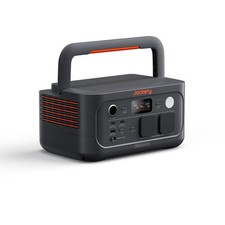 JAC·EXPLORERJackery Explorer 500 v2 512Wh Tragbare Powerstation LiFePO4€300+5.3%
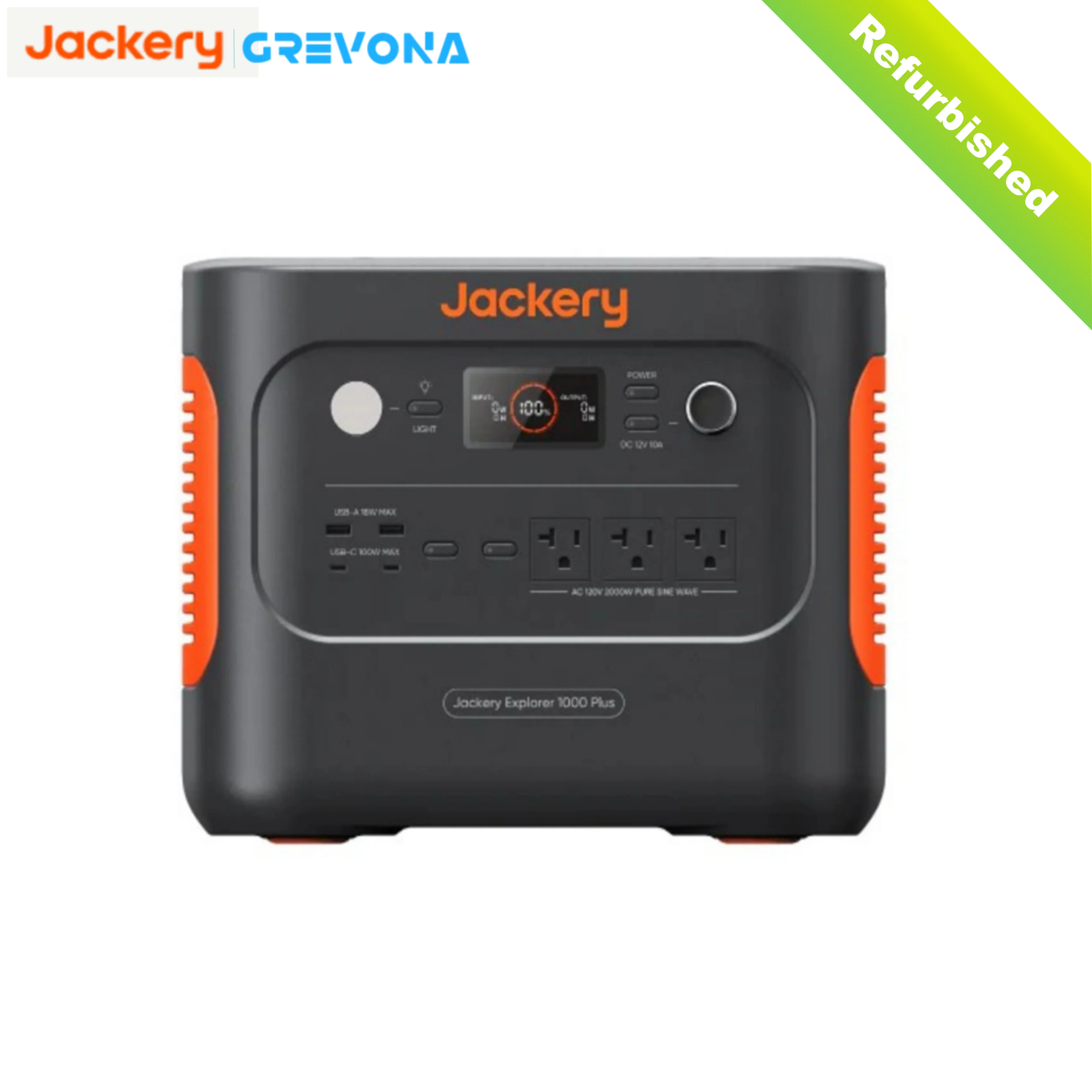 JAC·EXPLORERJackery Explorer 1000 Plus Tragbare Powerstation 1264Wh€526±0.0%
 ECO·DELTAECOFLOW DELTA 3 Classic Tragbare Powerstation 1024Wh LiFePO4€549±0.0%
 ANK·SOLIXAnker SOLIX S2000 Powerstation USV 2000Wh LiFePO4€588±0.0%
 ECO·DELTAEcoFlow Delta 3 Max PowerStation 2048 Wh LiFePO4 0% Mwst€230–
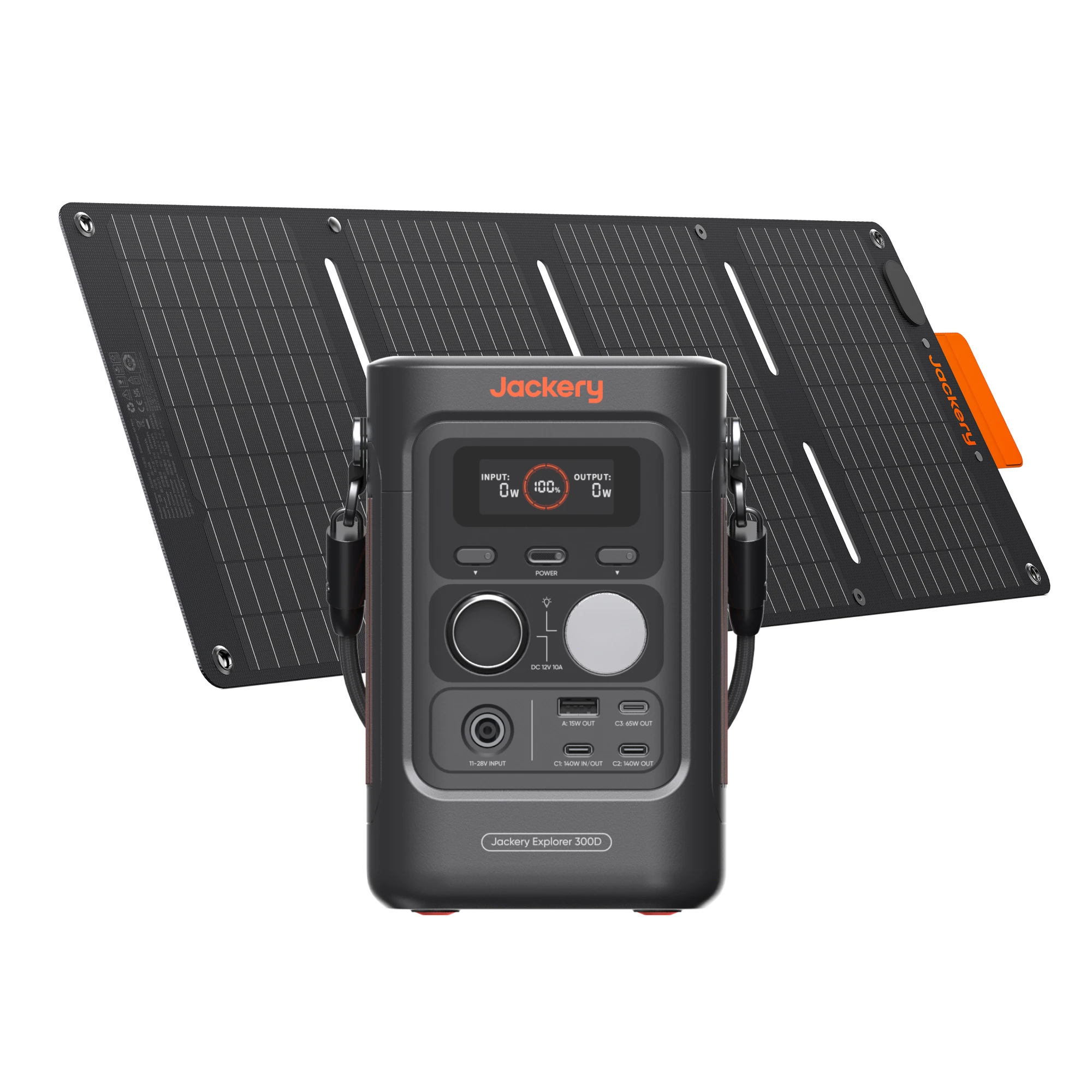 JAC·EXPLORERJackery Explorer 300D Tragbare Powerstation mit 40W€228−6.2%
 BLU·ELITE100BLUETTI Elite100V2 Powerstation 1800W 1024Wh LiFePO4€699±0.0%
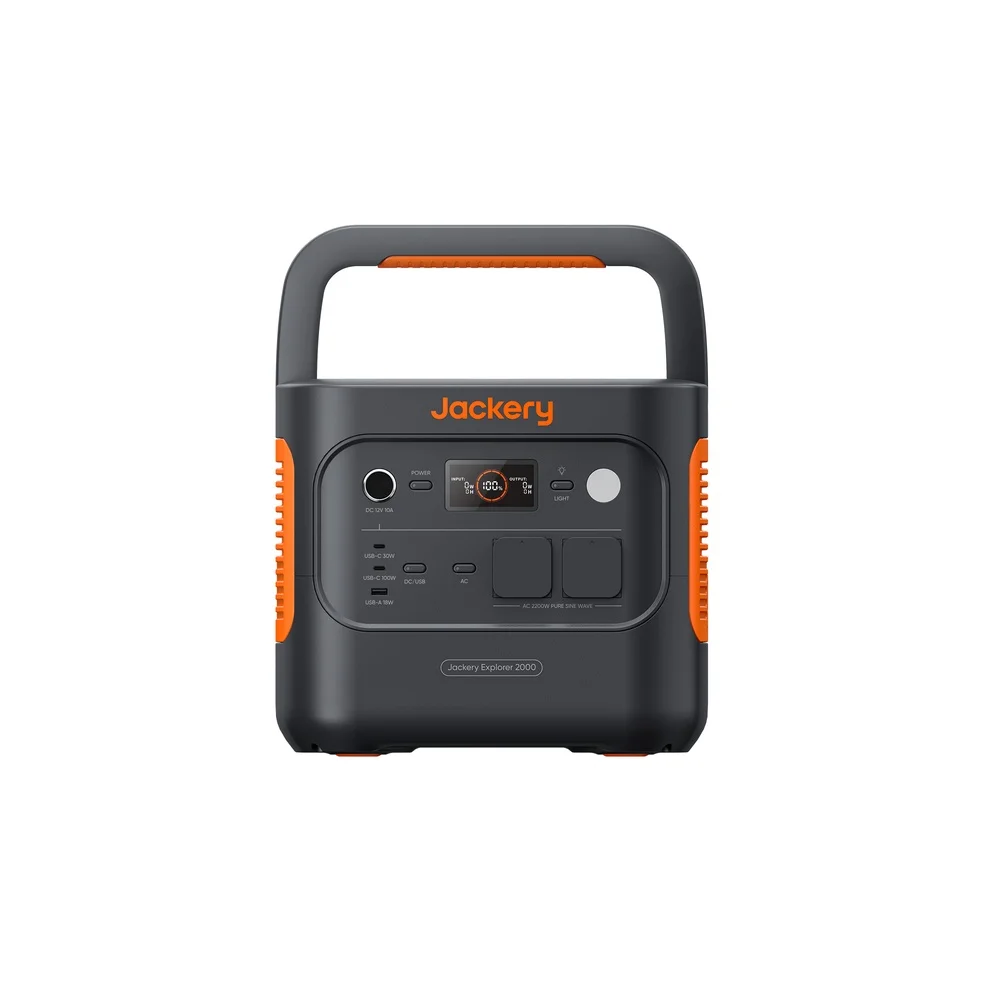 JAC·E2000Jackery E2000 v2 tragbare Powerstation, LiFePO4 Akku€716±0.0%
 JAC·EXPLORERJackery Explorer 240 v2 Tragbare Powerstation€179−5.3%
 JAC·E1000V2Jackery E1000v2 Powerstation mit 2x100W Solarpanel 1070Wh€750+5.3%
 ECO·RIVERECOFLOW RIVER 2 PowerStation 300W Tragbare Solargenerator€199±0.0%
 JAC·E2000Jackery E2000 v2 Tragbare Powerstation, 2042Wh/2200W€900+12.5%
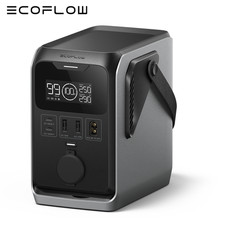 ECO·TRAILECOFLOW Trail 300 DC Tragbare Powerstation 288Wh LFP 300W€160±0.0%
 BLU·ELITEBLUETTI Elite 10 Tragbare Powerstation 200W 128Wh LiFePO4€159+14.4%
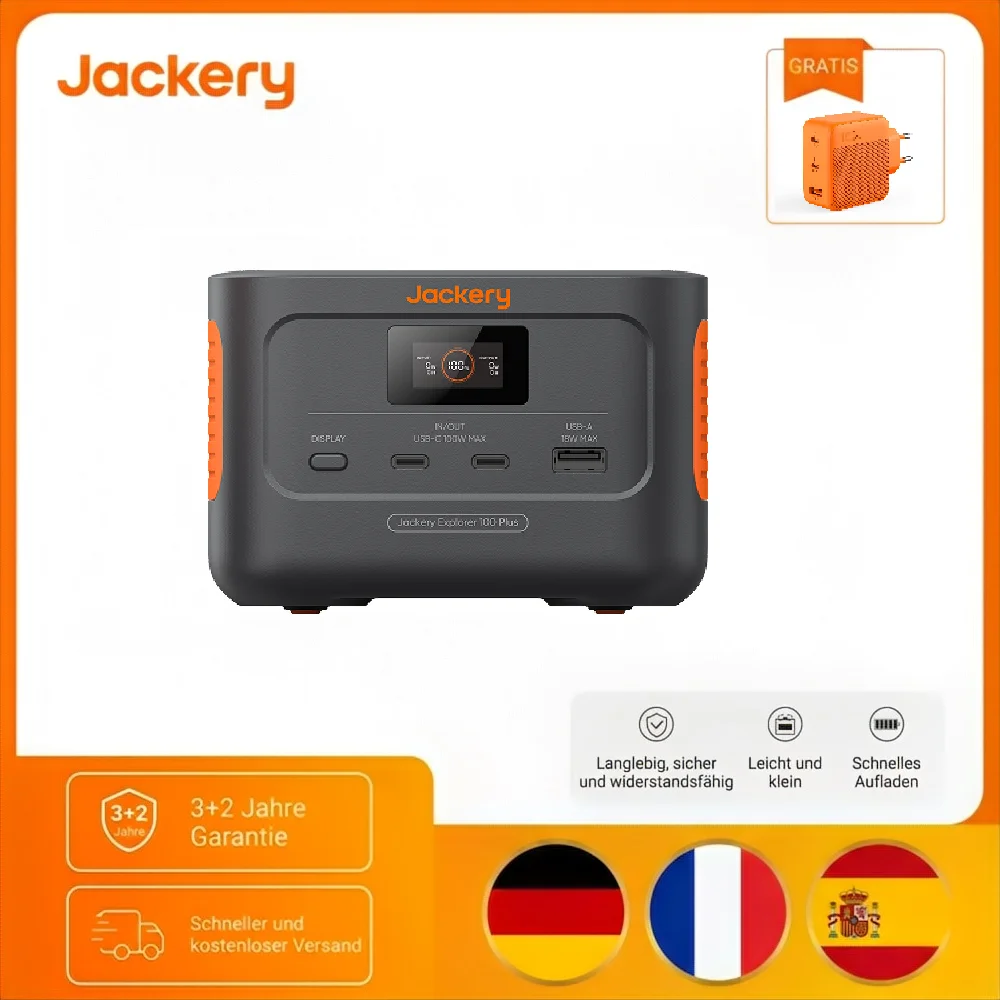 JAC·TRAGBAREJackery Tragbare Powerstation 100 Plus mit 102W Ladegerät€123±0.0%
 DJI·POWERDJI Power 1000 V2 tragbare Powerstation, 1024 Wh LFP-Akku€509±0.0%
 ANK·SOLIXAnker SOLIX C300X Tragbare Powerstation, 288Wh LiFePO4 Akku€250+4.2%
 ANK·SOLIXAnker SOLIX C2000 Gen 2 Tragbare Powerstation, 2400W€1,000±0.0%
 JAC·POWERSTAJackery Powerstation E3000 v2 mit 200W Solarpanel€1,800+5.3%
 JAC·EXPLORERJackery Explorer 100 Plus Tragbare Powerstation€80+5.3%
 DYN·TRAGBAREDyness 2400W Tragbare Powerstation, 2048Wh LiFePO4€700±0.0%
 ECO·RIVEREcoFlow RIVER 2 tragbare Powerstation€229±0.0%
 DYN·TRAGBAREDyness 300W Tragbares Powerstation€146+13.7%
 DJI·POWERDJI Power 2000 tragbare Powerstation, 2048 Wh LFP-Akku€1,099+22.2%
- DJI·POWERDJI Power 1000 Mini tragbare Powerstation, 1008-Wh-LFP-Akku1008 Wh · 1000 W€439+7.7%−3.5%−24.1%
- BLU·ELITEBLUETTI Elite 100 V2 Powerstation 1800W 1024Wh Solarspeicher Generator1024 Wh · 1800 W€461−21.5%+10.0%−16.0%
- JAC·EXPLORERJackery Explorer 500 v2 512Wh Tragbare Powerstation LiFePO4512 Wh · 500 W€300±0.0%+5.3%+20.0%
- JAC·EXPLORERJackery Explorer 1000 Plus Tragbare Powerstation 1264Wh 2000W LiFePO45000 Wh · 2000 W€526±0.0%––
- ECO·DELTAECOFLOW DELTA 3 Classic Tragbare Powerstation 1024Wh LiFePO4 1800W AC1024 Wh · 1800 W€549±0.0%±0.0%–
- ANK·SOLIXAnker SOLIX S2000 Powerstation USV 2000Wh LiFePO42000 Wh · 500 W€588−16.0%±0.0%±0.0%11 d
- ECO·DELTAEcoFlow Delta 3 Max PowerStation 2048 Wh LiFePO4 0% Mwst2048 Wh · Powerstation€230––+15.0%
- JAC·EXPLORERJackery Explorer 300D Tragbare Powerstation mit 40W Solarpanel288 Wh · 40 W€228±0.0%−6.2%−9.3%22 d
- BLU·ELITE100BLUETTI Elite100V2 Powerstation 1800W 1024Wh LiFePO4 Solarspeicher1024 Wh · 1800 W€699±0.0%––
- JAC·E2000Jackery E2000 v2 tragbare Powerstation, LiFePO4 Akku2042 Wh · 2200 W€716±0.0%±0.0%−9.4%28 d
- JAC·EXPLORERJackery Explorer 240 v2 Tragbare Powerstation256 Wh · 300 W€179±0.0%−5.3%−5.3%9 d
- JAC·E1000V2Jackery E1000v2 Powerstation mit 2x100W Solarpanel 1070Wh LiFePO41070 Wh · 100 W€750±0.0%+5.3%+5.3%14 d
- ECO·RIVERECOFLOW RIVER 2 PowerStation 300W Tragbare Solargenerator LFP 256Wh256 Wh · 300 W€199±0.0%±0.0%+1.0%24 d
- JAC·E2000Jackery E2000 v2 Tragbare Powerstation, 2042Wh/2200W2042 Wh · 2200 W€900±0.0%+12.5%+12.5%10 d
- ECO·TRAILECOFLOW Trail 300 DC Tragbare Powerstation 288Wh LFP 300W für Outdoor288 Wh · 300 W€160±0.0%±0.0%+0.4%
- BLU·ELITEBLUETTI Elite 10 Tragbare Powerstation 200W 128Wh LiFePO4 Camping128 Wh · 200 W€159±0.0%+14.4%+14.4%24 d
- JAC·TRAGBAREJackery Tragbare Powerstation 100 Plus mit 102W Ladegerät99 Wh · 102 W€123±0.0%±0.0%−13.8%
- DJI·POWERDJI Power 1000 V2 tragbare Powerstation, 1024 Wh LFP-Akku1024 Wh · 2600 W€509±0.0%±0.0%−15.9%
- ANK·SOLIXAnker SOLIX C300X Tragbare Powerstation, 288Wh LiFePO4 Akku, 300W288 Wh · 300 W€250±0.0%+4.2%±0.0%
- ANK·SOLIXAnker SOLIX C2000 Gen 2 Tragbare Powerstation, 2400W2048 Wh · 2400 W€1,000−16.7%±0.0%−16.7%
- JAC·POWERSTAJackery Powerstation E3000 v2 mit 200W Solarpanel3072 Wh · 200 W€1,800±0.0%+5.3%+5.3%9 d
- JAC·EXPLORERJackery Explorer 100 Plus Tragbare Powerstation99 Wh · 128 W€80±0.0%+5.3%±0.0%24 d
- DYN·TRAGBAREDyness 2400W Tragbare Powerstation, 2048Wh LiFePO42048 Wh · 2400 W€700±0.0%±0.0%+1.4%
- ECO·RIVEREcoFlow RIVER 2 tragbare Powerstation256 Wh · 600 W€229±0.0%±0.0%±0.0%
- DYN·TRAGBAREDyness 300W Tragbares Powerstation256 Wh · 300 W€146±0.0%+13.7%+9.9%
- DJI·POWERDJI Power 2000 tragbare Powerstation, 2048 Wh LFP-Akku2048 Wh · 3000 W€1,099±0.0%+22.2%+27.9%
LiFePO4 cells are considered safe and last many thousands of charge cycles. Here you will find all power stations that explicitly use LFP chemistry.
What sets LiFePO4 apart from other batteries
LiFePO4 stands for lithium iron phosphate. Compared with NMC cells (nickel manganese cobalt), as found in many older power stations and power tools, the energy density is somewhat lower – so the unit is heavier for the same capacity. In return, the chemistry is more thermally stable, needs no cobalt and withstands considerably more charge cycles.
Manufacturers often quote 3,000 to 4,000 cycles to 80% remaining capacity for LiFePO4 power stations, sometimes more. NMC units are often around 500 to 1,000 cycles. If you use your unit frequently – say daily in a motorhome or as solar storage – you benefit from LFP in particular.
Buying criteria for LiFePO4 models
Since LFP is now standard, other features separate good units from mediocre ones.
- Cycle rating with a reference point: “to 80% remaining capacity” says more than a bare number.
- Battery management system (BMS): protection against overcharging, deep discharge, short circuits and temperature extremes.
- Low-temperature behaviour: LiFePO4 should not be charged below 0 °C; some units have a battery heater.
- Usable capacity: the stated Wh figure refers to the battery; after conversion losses, usually 80 to 90% reaches the 230 V output.
- Warranty: with a long-life chemistry, a five-year warranty is a good sign.
Care and storage
LiFePO4 batteries are low-maintenance but do not like extremes. Store the power station at room temperature and a medium charge level if you will not be using it for a while. Avoid deep discharge: many units have low self-discharge, but you should still top up every three to six months. Direct sunlight and hot car interiors shorten the lifespan. A regular full charge cycle helps the battery management system display the charge level correctly.
LiFePO4 in everyday use: what you gain
In everyday use, you mainly notice the benefits of LiFePO4 over the years: capacity declines more slowly, even if you use the power station frequently. LFP cells also cope better with being fully charged regularly. If you use your power station as daily solar storage in a motorhome or garden shed, you get the most out of the higher cycle life. For a reserve that is only rarely used, on the other hand, the cycle count matters less than low self-discharge.