
Large Power Stations from 2,000 Wh
17 Battery storage systems from established makers · Selection index 92.7 +1.3% 7 d · avg €906 · as of 18/10/2026
Price table · 17 Battery storage systems
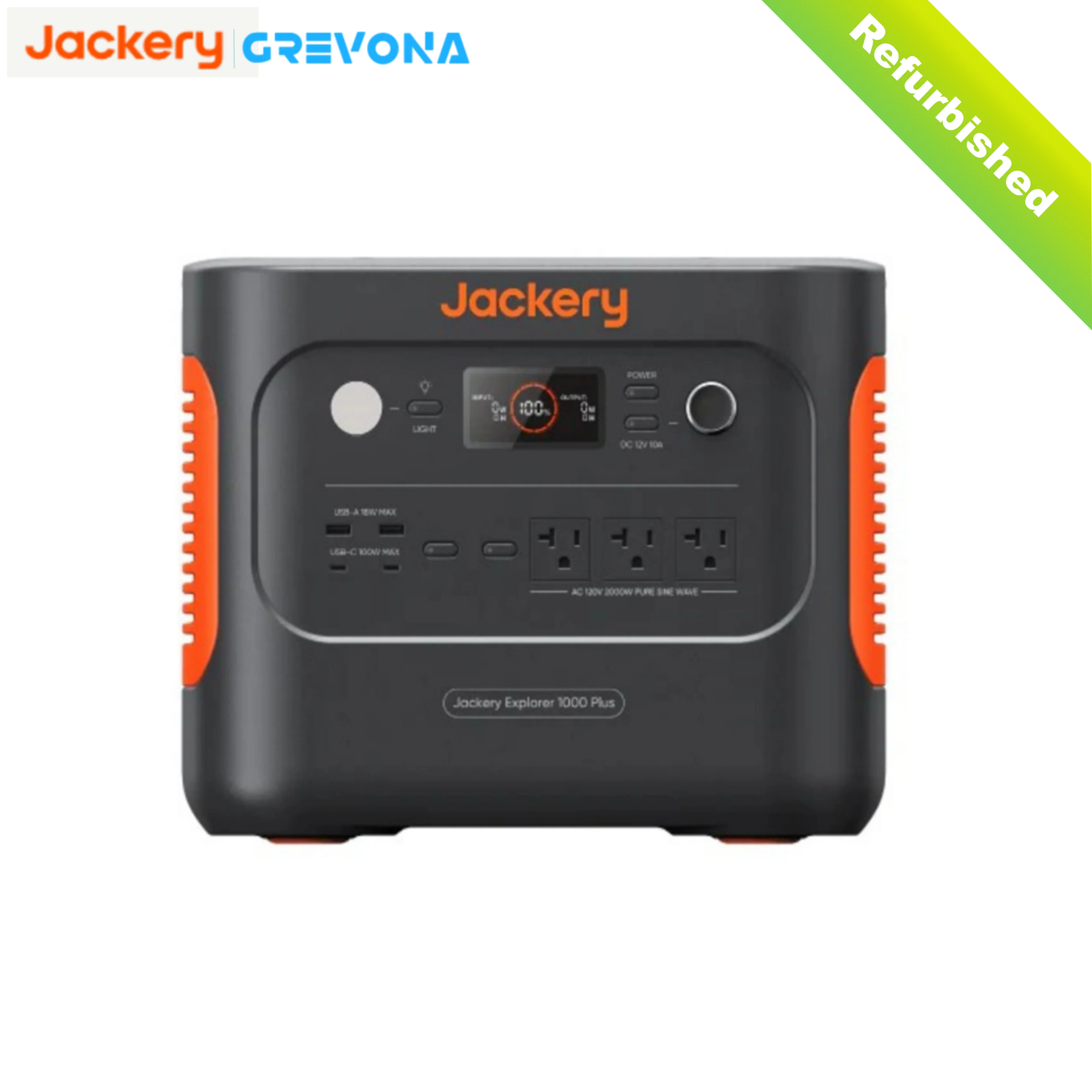 JAC·EXPLORERJackery Explorer 1000 Plus Tragbare Powerstation 1264Wh€526±0.0%
 ANK·SOLIXAnker SOLIX S2000 Powerstation USV 2000Wh LiFePO4€588±0.0%
 ANK·SOLIXAnker SOLIX S2000 Powerstation – 2.000 Wh | 1.500 W€598±0.0%
 JAC·E2000Jackery E2000 v2 Tragbare Powerstation mit 200W Solarpanel€999±0.0%
 ECO·DELTAEcoFlow Delta 3 Max PowerStation 2048 Wh LiFePO4 0% Mwst€230–
 BLU·FRIDGEPOBLUETTI FridgePower Powerstation 2016Wh 1800W Stromerzeuger€671±0.0%
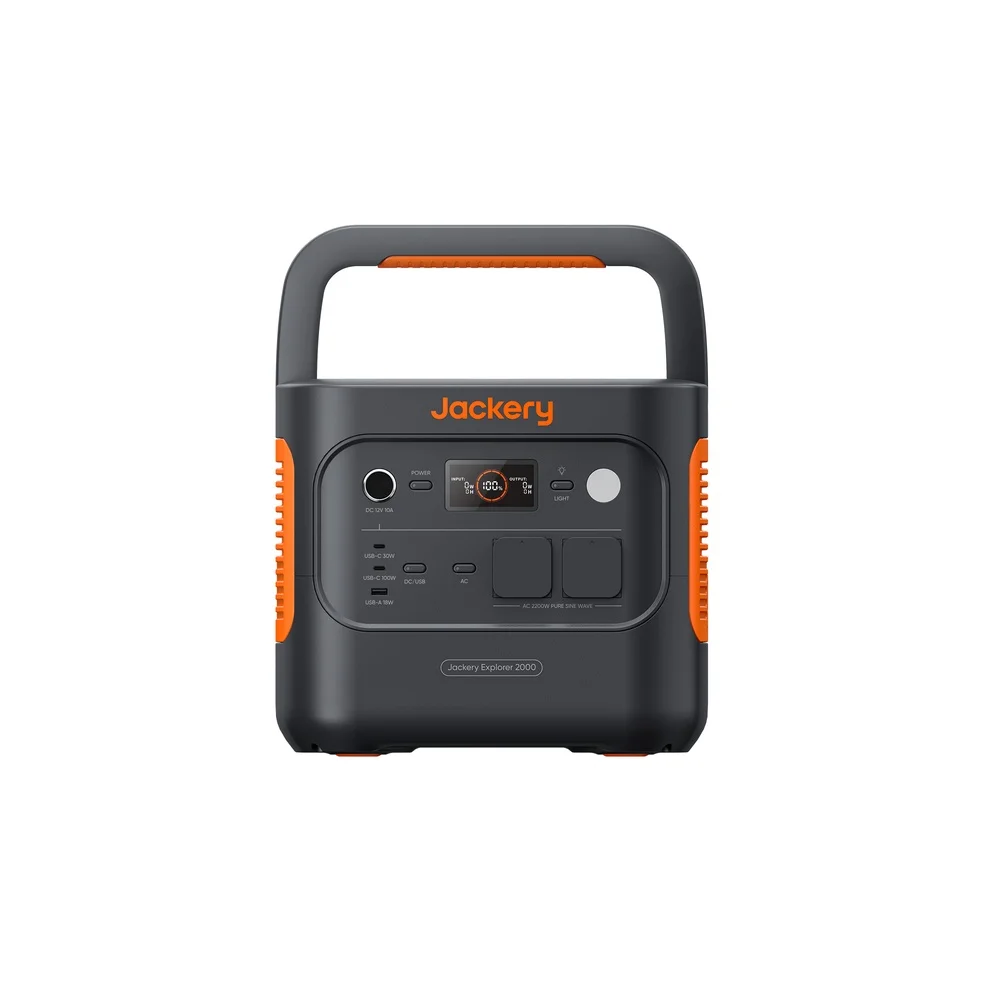 JAC·E2000Jackery E2000 v2 tragbare Powerstation, LiFePO4 Akku€716±0.0%
 BLU·ELITEBLUETTI Elite 200 V2 Powerstation 2600W 2073Wh Solarspeicher€797±0.0%
 ANK·SOLIXAnker SOLIX C2000 Gen2 2048Wh Powerstation 0% MwSt.€874+0.6%
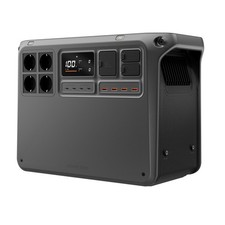 DJI·POWERDJI Power 2000 (EU) 2048Wh Powerstation€899±0.0%
 JAC·E2000Jackery E2000 v2 Tragbare Powerstation, 2042Wh/2200W€900+12.5%
 JAC·EXPLORERJackery Explorer 2000 v2 Solargenerator 2042Wh 2200W mit€999±0.0%
 ANK·SOLIXAnker SOLIX C2000 Gen 2 Tragbare Powerstation, 2400W€1,000±0.0%
 JAC·POWERSTAJackery Powerstation E3000 v2 mit 200W Solarpanel€1,800+5.3%
 DYN·TRAGBAREDyness 2400W Tragbare Powerstation, 2048Wh LiFePO4€700±0.0%
 DJI·POWERDJI Power 2000 tragbare Powerstation, 2048 Wh LFP-Akku€1,099+22.2%
 JAC·EXPLORERJackery Explorer 3000 v2 Powerstation mit 2×200W Solarpanel€1,999+5.3%
- JAC·EXPLORERJackery Explorer 1000 Plus Tragbare Powerstation 1264Wh 2000W LiFePO45000 Wh · 2000 W€526±0.0%––
- ANK·SOLIXAnker SOLIX S2000 Powerstation USV 2000Wh LiFePO42000 Wh · 500 W€588−16.0%±0.0%±0.0%11 d
- ANK·SOLIXAnker SOLIX S2000 Powerstation – 2.000 Wh | 1.500 W | 0%/19% MwSt.2000 Wh · 500 W€598±0.0%±0.0%−14.4%13 d
- JAC·E2000Jackery E2000 v2 Tragbare Powerstation mit 200W Solarpanel2042 Wh · 200 W€999±0.0%±0.0%+5.3%
- ECO·DELTAEcoFlow Delta 3 Max PowerStation 2048 Wh LiFePO4 0% Mwst2048 Wh · Powerstation€230––+15.0%
- BLU·FRIDGEPOBLUETTI FridgePower Powerstation 2016Wh 1800W Stromerzeuger2016 Wh · 1800 W€671±0.0%±0.0%±0.0%16 d
- JAC·E2000Jackery E2000 v2 tragbare Powerstation, LiFePO4 Akku2042 Wh · 2200 W€716±0.0%±0.0%−9.4%28 d
- BLU·ELITEBLUETTI Elite 200 V2 Powerstation 2600W 2073Wh Solarspeicher2073 Wh · 2600 W€797−49.5%±0.0%+5.6%19 d
- ANK·SOLIXAnker SOLIX C2000 Gen2 2048Wh Powerstation 0% MwSt.2048 Wh · Powerstation€874−15.9%+0.6%−10.1%24 d
- DJI·POWERDJI Power 2000 (EU) 2048Wh Powerstation2048 Wh · Powerstation€899±0.0%±0.0%±0.0%8 d
- JAC·E2000Jackery E2000 v2 Tragbare Powerstation, 2042Wh/2200W2042 Wh · 2200 W€900±0.0%+12.5%+12.5%10 d
- JAC·EXPLORERJackery Explorer 2000 v2 Solargenerator 2042Wh 2200W mit 200W oder2042 Wh · 2200 W€999±0.0%––
- ANK·SOLIXAnker SOLIX C2000 Gen 2 Tragbare Powerstation, 2400W2048 Wh · 2400 W€1,000−16.7%±0.0%−16.7%
- JAC·POWERSTAJackery Powerstation E3000 v2 mit 200W Solarpanel3072 Wh · 200 W€1,800±0.0%+5.3%+5.3%9 d
- DYN·TRAGBAREDyness 2400W Tragbare Powerstation, 2048Wh LiFePO42048 Wh · 2400 W€700±0.0%±0.0%+1.4%
- DJI·POWERDJI Power 2000 tragbare Powerstation, 2048 Wh LFP-Akku2048 Wh · 3000 W€1,099±0.0%+22.2%+27.9%
- JAC·EXPLORERJackery Explorer 3000 v2 Powerstation mit 2×200W Solarpanel3072 Wh · 200 W€1,999±0.0%+5.3%+5.3%17 d
From 2 kWh, a power station becomes a serious backup reserve: enough for a fridge, heating pump and router for a whole day.
What large power stations are good for
Large models with 2,000 to over 5,000 Wh often offer 2,400 to 4,000 W of continuous output and sometimes 230 V sockets rated at 16 A. They bridge longer power cuts for selected devices, supply motorhomes without hook-up, or serve as a mobile power source on building sites and at events.
Some manufacturers offer connection solutions that supply selected household circuits during a power cut. Such solutions must be installed by a qualified electrician – a power station must never be fed into a household installation via a male-to-male plug cable, as this is potentially fatal.
Buying criteria for large units
In this class, weight and connections become more important than pure capacity.
- Weight and mobility: above 25 kg, wheels and a telescopic handle are very helpful.
- Expandability: many systems grow to 6, 10 or more kWh with extra batteries.
- Mains and solar charging power: large batteries need a lot of input power, otherwise recharging takes a whole day.
- Split-phase or 16 A outputs only if you really need them.
- UPS function for a chest freezer, aquarium or home server.
- Warranty and service: given the high purchase price, it is worth checking the warranty period and spare parts availability.
Worked example: power cut
Assumptions: fridge averaging 50 W, chest freezer averaging 40 W, router and phone charging 20 W, heating circulation pump with controls 60 W. Together that is about 170 W, so roughly 4 kWh over 24 hours. A 2 kWh power station can therefore keep these devices running for roughly ten to eleven hours, and a 5 kWh unit for about a day. The heating should only be supplied via a professionally installed feed-in connection. The figures are example assumptions – ideally, measure your devices beforehand with a plug-in energy meter.
Large power station or home battery?
If you have a rooftop PV system, you may wonder whether a large power station can replace a permanently installed home battery. In short: only to a limited extent. A home battery is integrated into the household installation, automatically increases self-consumption and – depending on the system – can provide a backup power circuit. A power station is more flexible and mobile, but must be connected professionally to supply the house.