
Small Power Stations for Camping
17 Battery storage systems from established makers · Selection index 101.4 −1.2% 7 d · avg €193 · as of 18/10/2026
Price table · 17 Battery storage systems
 ECO·RIVERECOFLOW RIVER 2 MAX 512Wh Tragbare Powerstation 500W€319±0.0%
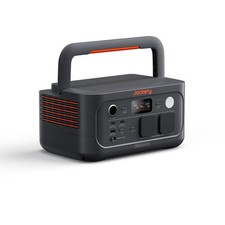 JAC·EXPLORERJackery Explorer 500 v2 512Wh Tragbare Powerstation LiFePO4€300+5.3%
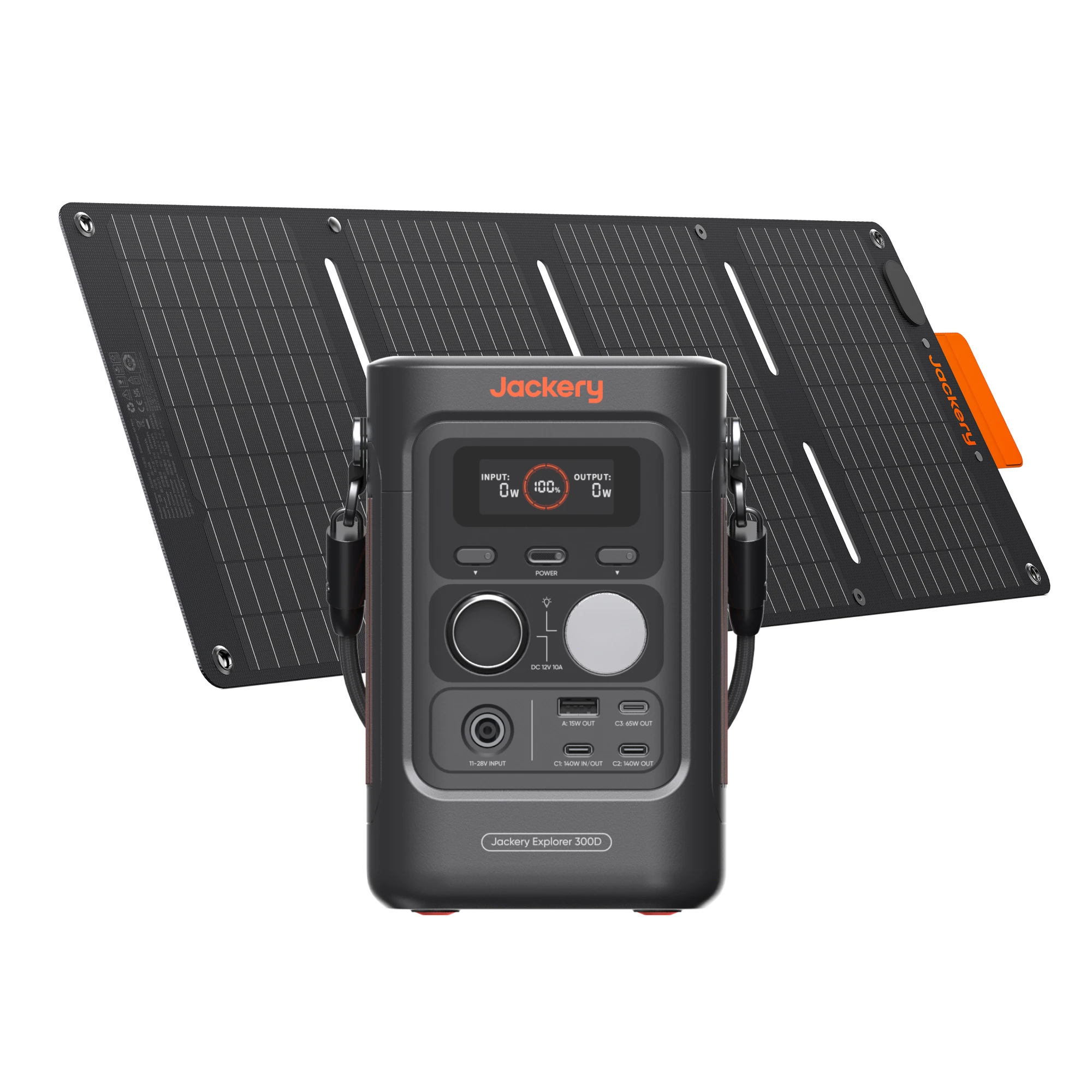 JAC·EXPLORERJackery Explorer 300D Tragbare Powerstation mit 40W€228−6.2%
 JAC·EXPLORERJackery Explorer 240 v2 Tragbare Powerstation€179−5.3%
 ANK·SOLIXAnker Solix C300X AC Tragbare Powerstation 288Wh 300W€200±0.0%
 ECO·RIVERECOFLOW RIVER 2 PowerStation 300W Tragbare Solargenerator€199±0.0%
 ANK·SOLIXAnker SOLIX C300X DC | A1728311€190−16.3%
 BLU·ELITEBLUETTI Elite 30V2 Powerstation 600W Stromerzeuger€176±0.0%
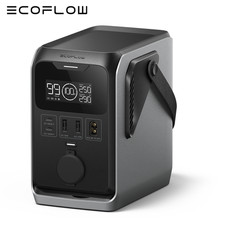 ECO·TRAILECOFLOW Trail 300 DC Tragbare Powerstation 288Wh LFP 300W€160±0.0%
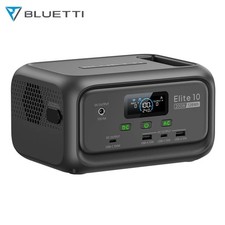 BLU·ELITEBLUETTI Elite 10 Tragbare Powerstation 128Wh 200W Outdoor€159−1.2%
 BLU·ELITEBLUETTI Elite 10 Tragbare Powerstation 200W 128Wh LiFePO4€159+14.4%
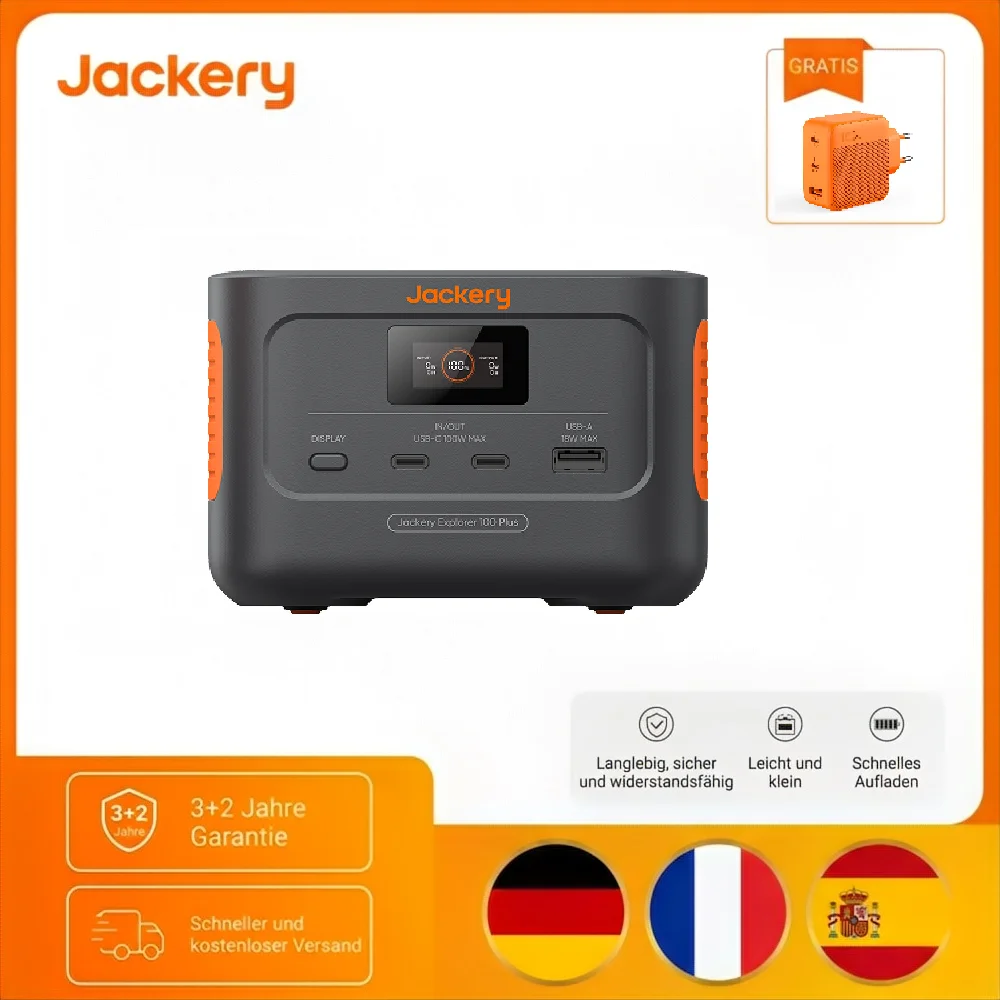 JAC·TRAGBAREJackery Tragbare Powerstation 100 Plus mit 102W Ladegerät€123±0.0%
 ANK·SOLIXAnker SOLIX C300X Tragbare Powerstation, 288Wh LiFePO4 Akku€250+4.2%
 JAC·EXPLORERJackery Explorer 100 Plus Tragbare Powerstation€80+5.3%
 ECO·RIVEREcoFlow RIVER 2 tragbare Powerstation€229±0.0%
 DYN·TRAGBAREDyness 300W Tragbares Powerstation€146+13.7%
 JAC·EXPLORERJackery Explorer 240€179±0.0%
- ECO·RIVERECOFLOW RIVER 2 MAX 512Wh Tragbare Powerstation 500W Solargenerator512 Wh · 500 W€319±0.0%±0.0%+2.6%
- JAC·EXPLORERJackery Explorer 500 v2 512Wh Tragbare Powerstation LiFePO4512 Wh · 500 W€300±0.0%+5.3%+20.0%
- JAC·EXPLORERJackery Explorer 300D Tragbare Powerstation mit 40W Solarpanel288 Wh · 40 W€228±0.0%−6.2%−9.3%22 d
- JAC·EXPLORERJackery Explorer 240 v2 Tragbare Powerstation256 Wh · 300 W€179±0.0%−5.3%−5.3%9 d
- ANK·SOLIXAnker Solix C300X AC Tragbare Powerstation 288Wh 300W Solargenerator288 Wh · 300 W€200±0.0%±0.0%−2.4%
- ECO·RIVERECOFLOW RIVER 2 PowerStation 300W Tragbare Solargenerator LFP 256Wh256 Wh · 300 W€199±0.0%±0.0%+1.0%24 d
- ANK·SOLIXAnker SOLIX C300X DC | A1728311 | tragbare Powerstation 288Wh288 Wh · Powerstation€190±0.0%−16.3%−2.7%
- BLU·ELITEBLUETTI Elite 30V2 Powerstation 600W Stromerzeuger Solargenerator288 Wh · 600 W€176−36.9%±0.0%−19.6%
- ECO·TRAILECOFLOW Trail 300 DC Tragbare Powerstation 288Wh LFP 300W für Outdoor288 Wh · 300 W€160±0.0%±0.0%+0.4%
- BLU·ELITEBLUETTI Elite 10 Tragbare Powerstation 128Wh 200W Outdoor Camping128 Wh · 200 W€159±0.0%−1.2%+23.3%20 d
- BLU·ELITEBLUETTI Elite 10 Tragbare Powerstation 200W 128Wh LiFePO4 Camping128 Wh · 200 W€159±0.0%+14.4%+14.4%24 d
- JAC·TRAGBAREJackery Tragbare Powerstation 100 Plus mit 102W Ladegerät99 Wh · 102 W€123±0.0%±0.0%−13.8%
- ANK·SOLIXAnker SOLIX C300X Tragbare Powerstation, 288Wh LiFePO4 Akku, 300W288 Wh · 300 W€250±0.0%+4.2%±0.0%
- JAC·EXPLORERJackery Explorer 100 Plus Tragbare Powerstation99 Wh · 128 W€80±0.0%+5.3%±0.0%24 d
- ECO·RIVEREcoFlow RIVER 2 tragbare Powerstation256 Wh · 600 W€229±0.0%±0.0%±0.0%
- DYN·TRAGBAREDyness 300W Tragbares Powerstation256 Wh · 300 W€146±0.0%+13.7%+9.9%
- JAC·EXPLORERJackery Explorer 240, 3.6V/67200mAh/240Wh Tragbare Powerstation240 Wh · 200 W€179±0.0%±0.0%+17.6%
Up to 600 Wh, power stations are still light enough to carry – ideal for the tent, van, fishing trips or the allotment.
What a small power station can do
Compact models between about 100 and 600 Wh usually weigh between two and seven kilograms. They charge smartphones, cameras, drone batteries and laptops several times over, and run LED lights, a fan or a small compressor cool box. They are not designed for heaters, kettles or hairdryers, however – their power exceeds the output of small units or drains the battery in minutes.
An example for context: a compressor cool box often draws 30 to 50 W on average, because the compressor does not run constantly. With 500 Wh, you can keep it going – roughly speaking and depending on the outside temperature – for a day or longer. The actual runtime depends heavily on insulation and surroundings.
Buying criteria for on the go
With small units, the details decide how practical they are day to day.
- Output: 300 W is enough for a laptop and cool box; 500 to 800 W also allows coffee machines in eco mode or small tools.
- USB-C power: at least one port with 60 to 100 W charges laptops without their power adapter.
- 12 V car socket: handy for cool boxes that run directly on 12 V – without conversion losses through the inverter.
- Noise: fans can be disturbing at night; dB ratings or a quiet mode help.
- LiFePO4 cells are slightly heavier than NMC but withstand far more charge cycles.
- Solar input: with 100 to 200 W of solar power, you can recharge small units on a sunny day.
Tips for everyday camping
Charge devices that use 12 V or USB anyway directly via those outputs – that avoids the losses of the 230 V inverter. Switch off the AC output when you do not need it, as even idling costs a few watts. Store the power station in winter at around 50 to 80% charge and top it up every few months. In the car: do not leave it lying behind the windscreen in blazing sun.
Judging weight and size correctly
As a rule of thumb, LiFePO4 power stations weigh about 10 to 12 kg per kilowatt-hour, with small units weighing a little more per Wh because of the casing and electronics. A 300 Wh unit therefore usually weighs around four kilograms – easy to carry to the tent. Consider whether to take a larger power station or a smaller one plus a solar panel: on multi-day trips, the combination is often lighter.